Jan 14, 2026
5
Minutes Read
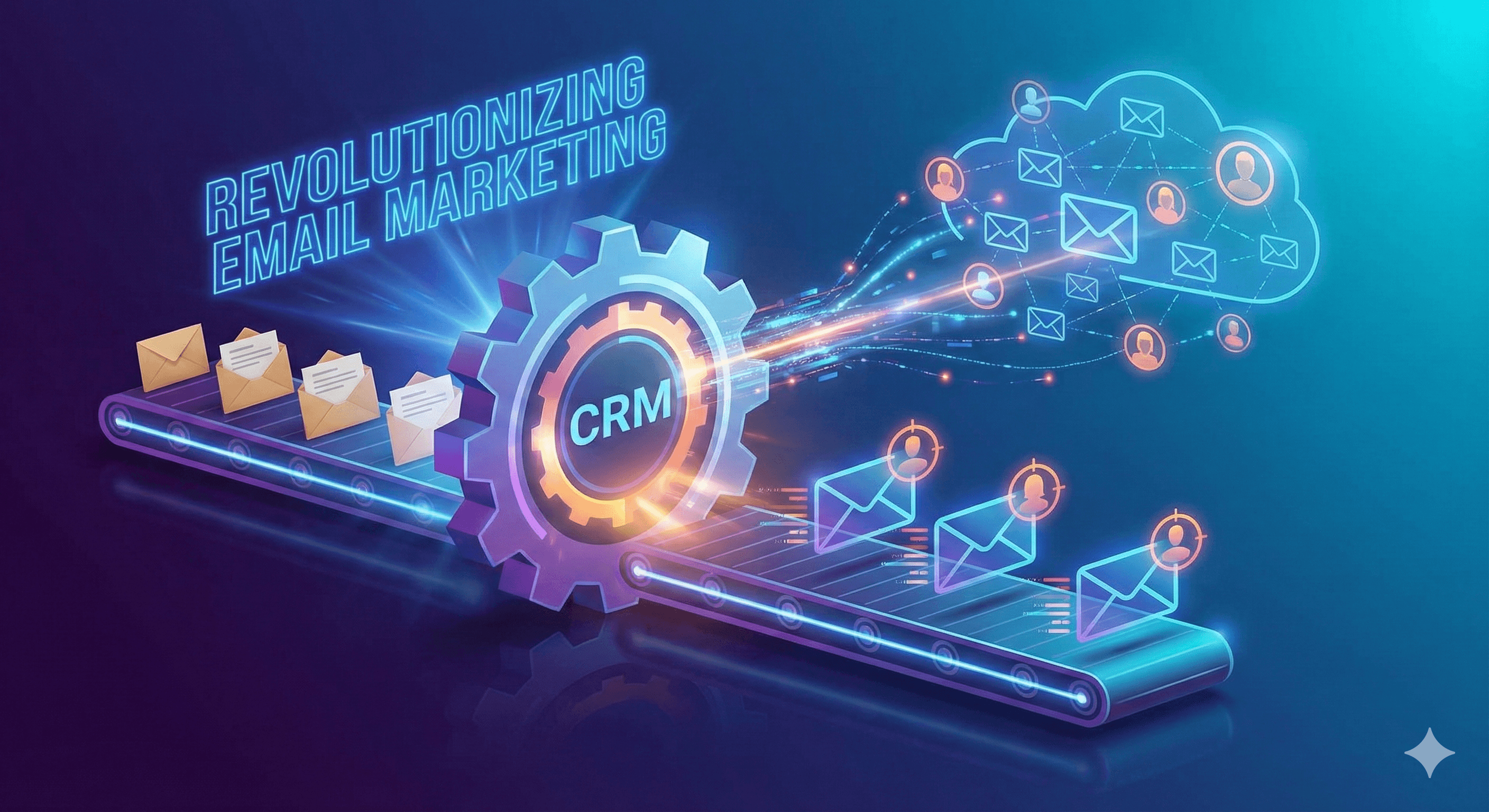
Email marketing remains one of the most effective strategies for driving customer engagement and boosting sales. Yet managing large email lists, sending personalized content, and ensuring timely delivery can be challenging—especially for growing businesses. That’s where automated email campaigns come in, enabling companies to reach more customers, send tailored messages, and nurture leads without sacrificing valuable time.
With automation, companies can significantly improve their marketing efforts, saving time and resources while enhancing customer engagement. Let’s explore how automated email campaigns can revolutionize marketing and why they are essential for modern businesses to thrive.
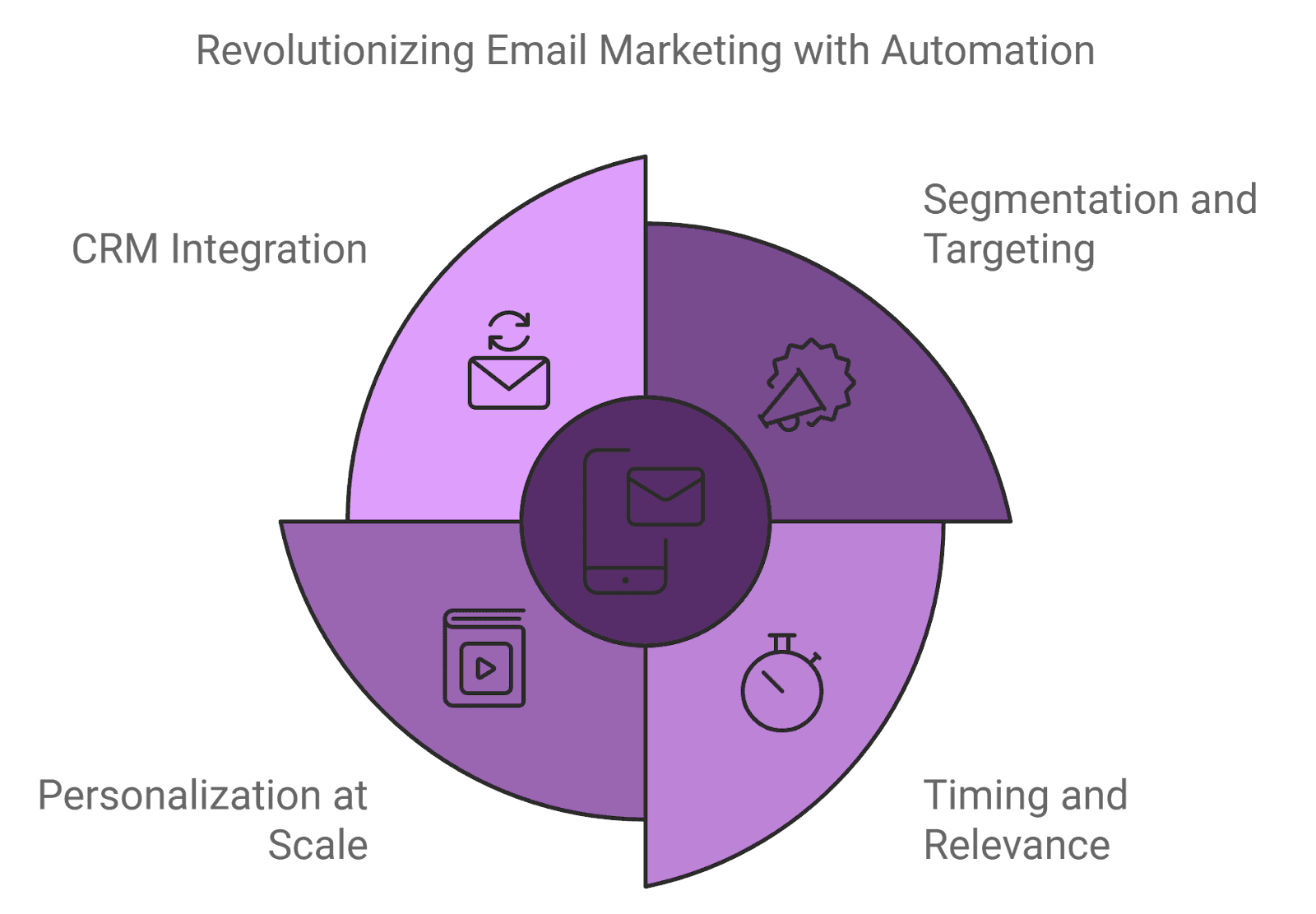
Challenges in Segmentation and Targeting
One of the most significant challenges businesses face is managing and segmenting large email lists. Manually segmenting customers into different groups requires a lot of time and is nearly impossible to execute consistently at scale. Consequently, many businesses resort to sending generic messages, leading to low engagement rates and high unsubscribe numbers.
Manual Targeting Limitations: Managing email lists manually can make it easy to overlook important customer preferences, behaviors, or demographics, resulting in poorly targeted campaigns.
Inconsistent Messaging: Without effective segmentation, businesses may send generic messages that don’t resonate with specific audience groups, making the marketing less impactful.
Difficulty in Personalization: When segmentation is inconsistent, personalized content becomes a challenge, and messages may feel irrelevant to customers, reducing their effectiveness.
For example, a fitness brand might sell both home workout equipment and gym memberships. If this brand doesn't properly segment its audience, home workout enthusiasts might receive promotions for gym memberships, leading to disinterest or even unsubscriptions.
Importance of Timing and Relevance
Email marketing is most effective when reaching the right person at the right time. Sending the perfect message, however, is easier said than done. Delays in delivering emails or inappropriate timing can lower open rates, lead to missed opportunities, and reduce conversions.
For instance, if a prospect browses a company’s website and receives a follow-up email within hours, they may be more likely to convert. Conversely, if the follow-up email arrives days later, they might have already found a competitor’s product.
Timely Communication: Automated email campaigns allow messages to be sent at optimal times, increasing the chances of engagement.
Triggered Actions: Automation enables real-time responses to customer actions, such as sending cart abandonment emails or providing personalized recommendations based on recent browsing behavior.
Enhanced Customer Engagement: Personalized and timely emails improve the customer experience by responding to behaviors, showing that the company values the customer's actions and interests.
Research by Omnisend found that automated emails have a 29% higher open rate and a 47% higher click-through rate compared to non-automated emails. This shows that automation can significantly boost engagement through timely, relevant messages.
Personalization at Scale
Personalization is no longer optional in today’s marketing landscape—customers expect it. However, crafting personalized messages for hundreds or even thousands of recipients manually is impractical. Automation enables businesses to deliver tailored content to large audiences without adding manual work.
Automated systems can personalize subject lines, content, and offers based on a customer’s behavior, preferences, and past interactions. For example, a business can send personalized promotions if a customer frequently browses a particular product category on its website.
Scalability: Automation enables businesses to deliver personalized content to every customer, regardless of list size.
Relevance: Personalized email content aligned with a customer’s interests increases engagement and conversions.
Improved Customer Retention: Personalized outreach reinforces customer loyalty by showing customers that a business understands and values their preferences.
For instance, if a retail company’s automated system detects that a customer frequently browses winter apparel, they can send tailored promotions for new winter products, increasing the likelihood of a purchase.
CRM for Email Automation
A Customer Relationship Management (CRM) system is crucial for businesses aiming to optimize email marketing efforts. CRMs centralize customer data, segment audiences effectively, and automate the entire email marketing process—from message creation to delivery and follow-up. Here’s how a CRM like Saphyte can streamline email automation:
1. Segmentation and Targeting: CRMs store essential customer data, enabling businesses to segment their audiences based on demographics, purchase history, and behavior. This ensures that messages are highly targeted and delivered to the right audience, increasing engagement rates.
2. Automated Email Workflows: CRMs automate the email process, from scheduling to sending and following up. Businesses can set up workflows that trigger personalized emails based on specific customer actions. For instance, if a customer abandons their cart, the CRM can automatically send a reminder email, encouraging them to complete the purchase.
3. Performance Tracking: CRMs offer real-time analytics on email performance, such as open rates, click-through rates, and conversions. These insights allow businesses to adjust email strategies based on data, optimizing future campaigns for improved results. For example, if a subject line performs well, it can be replicated across other campaigns to increase engagement.
By automating these processes, businesses save time and improve the effectiveness of their email campaigns. CRMs like Saphyte enable marketers to deliver personalized, timely, and relevant messages, ultimately boosting customer engagement and conversions. With these capabilities, businesses can maximize their email marketing efforts, enhancing relationships with customers and achieving sustainable growth.