Jan 13, 2026
5
Minutes Read
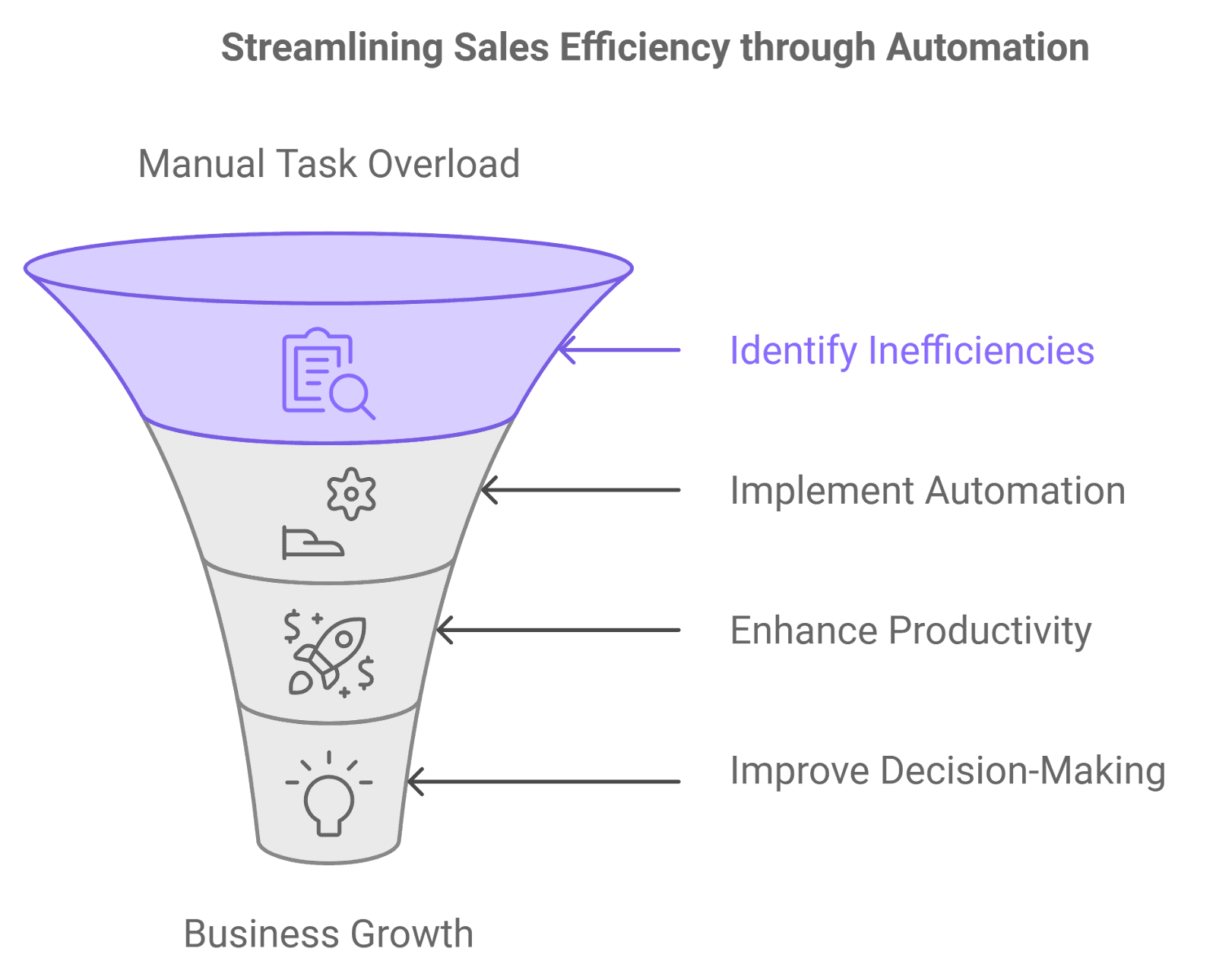
Entrepreneurs and sales teams constantly juggle various tasks in today's fast-paced business environment. But too often, these tasks are manual, repetitive, and inefficient, taking time away from more important work. Their productivity could be improved when administrative tasks like data entry or follow-ups bog down teams.
Finding a solution to streamline these processes is crucial for maintaining high levels of efficiency and ensuring the team can focus on high-value activities like building relationships and closing deals.
Time Costs of Repetitive Manual Tasks
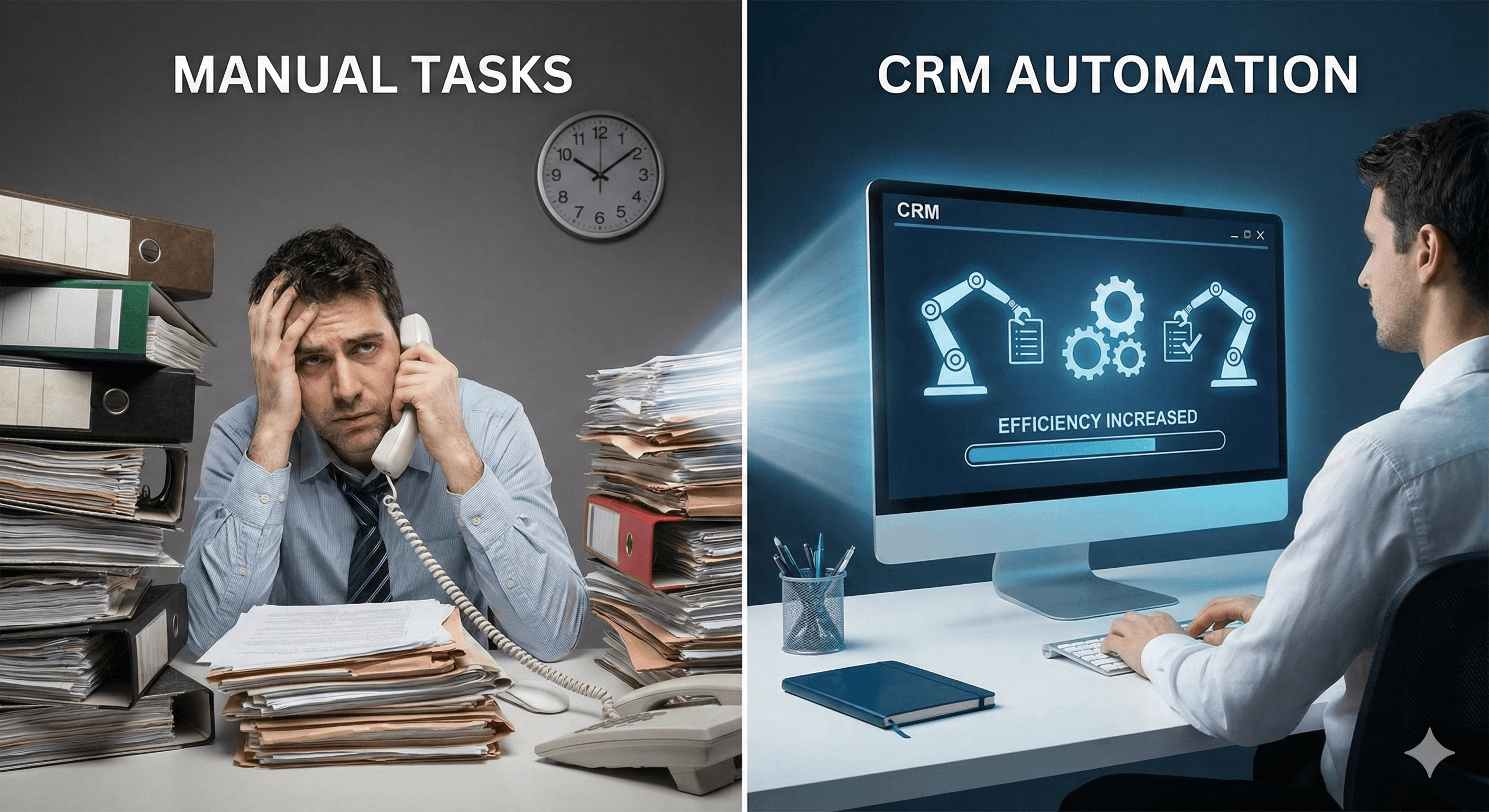
Repetitive manual tasks, such as entering customer information or scheduling follow-ups, take up valuable time that could be better spent on strategic activities. Sales reps spend so much time on non-revenue-generating tasks like administrative work, leaving a little time for engaging with potential customers, closing deals, or focusing on tasks that drive business growth.
For small and growing businesses, this inefficiency becomes even more challenging. Entrepreneurs often wear multiple hats, meaning that the more time they spend on these low-value activities, the less time they have to drive strategic growth. Without automation, the business can suffer from missed opportunities, slower sales cycles, and an overall drop in productivity.
Impact on Team Productivity
When sales teams are caught up in manual tasks, their productivity and performance suffer. The more time spent on repetitive work, the less time available for meaningful customer interactions. This not only affects morale but also impacts sales performance.
For example, a sales team that spends hours manually inputting data or tracking customer follow-ups is less likely to hit their sales targets. The lack of automation creates inefficiencies in communication, tracking, and follow-up processes, leading to missed opportunities and lost revenue.
Streamlining Workflows for Efficiency
Automation is critical to streamlining workflows and boosting team efficiency. By automating repetitive tasks, businesses can eliminate bottlenecks and reduce the time spent on low-value activities. Automation also reduces the chance of human error, ensuring tasks are completed accurately and on time.
A company that successfully adopted automation in its sales processes is Gusto, a payroll and benefits service provider. By automating tasks like client follow-ups and reminders through CRM, Gusto saw a 20% improvement in workflow efficiency and increased customer retention rates. With fewer manual processes to worry about, the sales team was able to focus on building stronger relationships with their clients, which led to better long-term outcomes.
Improved Decision-Making with Automation
Automating repetitive tasks saves time and improves decision-making across the board. When employees are bogged down by manual work, their mental bandwidth for making strategic decisions is limited. Automation frees up that mental space, allowing team members to focus on data analysis, customer interactions, and other high-level tasks that directly contribute to business growth.
With automated data entry and task tracking, sales managers can more easily identify trends, monitor performance, and adjust strategies in real-time. A 2019 study by McKinsey revealed that businesses leveraging automation saw a 30% increase in operational efficiency, which enabled them to make faster, more informed decisions and pivot strategies more quickly when needed.
CRM for Automating Repetitive Tasks
Customer Relationship Management (CRM) systems like Saphyte offer powerful tools for automating repetitive tasks, making it easier for teams to focus on what matters—closing deals and growing the business. CRMs automate data entry, scheduling, and follow-up processes, allowing businesses to run more smoothly. For example, CRM systems can automatically trigger follow-up emails after meetings, update customer records in real time, and generate reports on sales performance without manual intervention.
By adopting a CRM system like Saphyte, businesses can see measurable efficiency improvements. This allows teams to focus on higher-value work that drives growth and success.