Jan 15, 2026
5
Minutes Read

In today’s evolving workplace, hybrid teams—those combining remote and in-office employees—are rapidly becoming the norm. This model allows for flexibility that many employees desire, but it also introduces unique challenges for managers and business leaders. Balancing productivity, cohesion, and effective communication across dispersed teams is no easy feat. Building high-performance hybrid teams requires strategic planning, the right technology, and well-defined communication practices.
Let’s explore practical strategies to enhance collaboration and innovation within hybrid teams, alongside real-world examples of companies that have mastered the art of hybrid work.
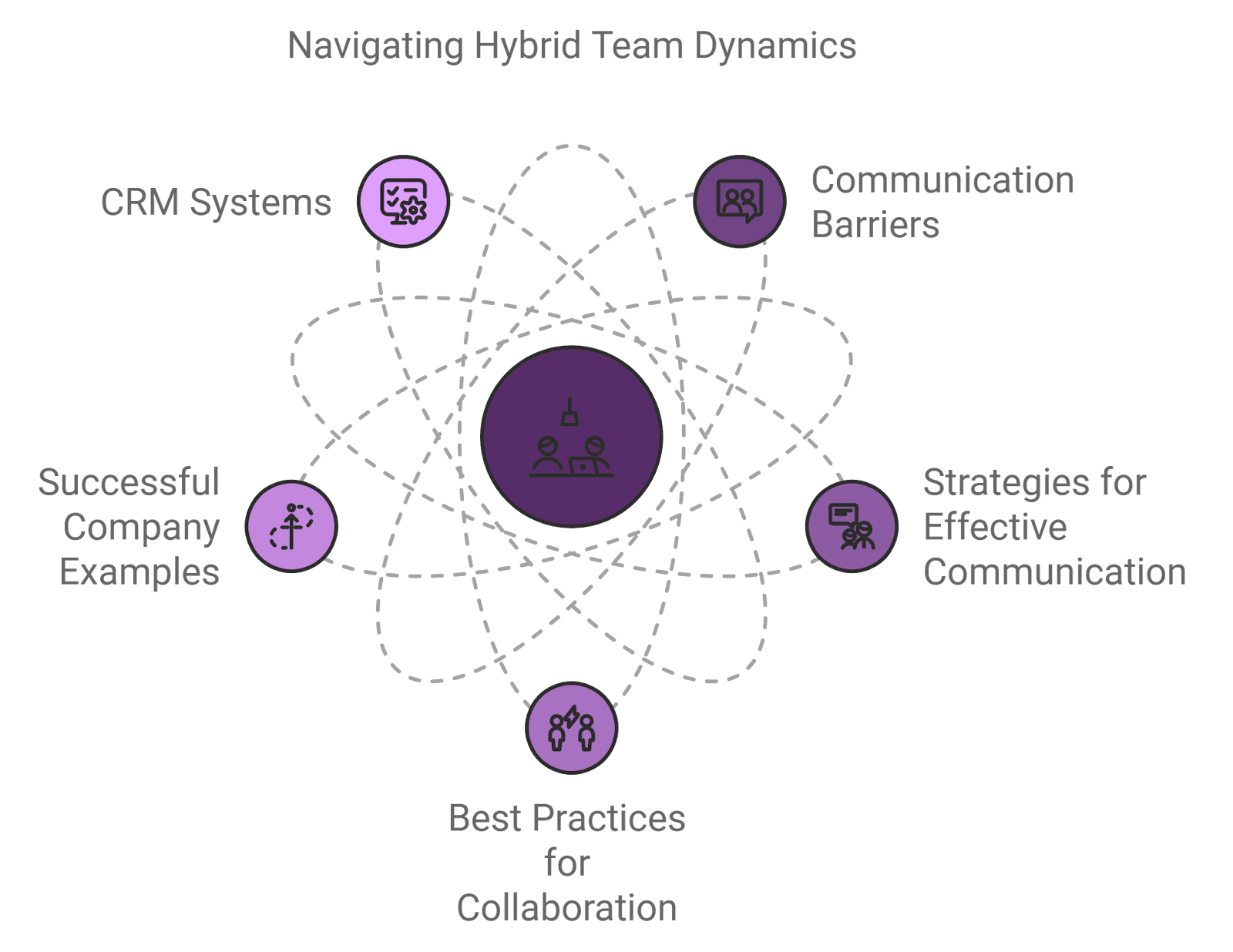
Challenges of the Hybrid Work Environment
As companies adopt hybrid work models, they encounter new obstacles in maintaining consistent communication and collaboration. Without intentional strategies, these challenges can lead to inefficiencies and misunderstandings.
Communication Barriers: Hybrid teams often struggle to maintain consistent communication between remote and in-office employees, which can lead to misunderstandings, misaligned goals, and delays in project timelines. This inconsistency reduces productivity and can hinder collaboration.
Feelings of Isolation: Remote employees may feel isolated due to a lack of regular interaction with in-office counterparts. Without face-to-face contact, team bonding and informal collaboration—important drivers of innovation—may diminish.
Loss of Spontaneity: In a hybrid setting, the natural spontaneity of in-office work, such as impromptu brainstorming sessions, is often lost. This lack of spontaneous interactions can hinder creativity and slow down problem-solving.
To foster collaboration effectively, businesses must acknowledge and address these challenges, creating strategies to bridge the gaps between remote and in-office teams.
Strategies for Effective Communication
To address communication hurdles, companies must use tools and strategies that enable seamless, inclusive communication, regardless of team members’ locations.
Investing in Communication Tools: Effective communication tools are crucial in connecting remote and in-office employees. Tools like Slack, Zoom, Microsoft Teams, and project management platforms such as Trello or Asana facilitate real-time collaboration, ensuring that everyone is informed and connected.
Structured Communication Channels: Businesses should establish synchronous and asynchronous communication methods to accommodate varying schedules. Regular virtual meetings can foster real-time connection, while asynchronous communication, like email and shared documents, enables team members to contribute on their schedule.
Encouraging Open Communication: By promoting a culture of open communication, teams can feel empowered to ask questions, give feedback, and stay engaged. This approach reduces miscommunication and helps maintain alignment on projects and goals.
By implementing structured, technology-driven communication practices, companies can ensure that every team member stays connected and engaged, paving the way for smoother collaboration.
Best Practices for Remote and In-Office Collaboration
Achieving seamless collaboration within hybrid teams requires a thoughtful blend of the right tools and practices that cater to both remote and in-office workers.
Balancing Communication Methods: Successful hybrid teams balance synchronous communication, like video calls for real-time problem solving, with asynchronous communication, such as emails and shared documents, which allow flexibility in response times. This balance is essential for accommodating different work styles and time zones.
Shared Workspaces: Implementing shared platforms like Google Workspace or Dropbox ensures all team members can access documents, updates, and project tasks in one place. Shared workspaces promote transparency, reduce siloed communication, and foster accountability, allowing everyone to stay up-to-date on project status.
Establishing Clear Expectations: Clearly defining roles, responsibilities, and expected outcomes helps all team members, whether remote or in-office, understand their contributions. This clarity reduces confusion and ensures that projects progress smoothly.
By setting up shared workspaces and promoting transparency, businesses can create an environment that fosters effective collaboration, ensuring all team members contribute efficiently and stay aligned with company goals.
Learning from Successful Hybrid Team Management
Several companies have successfully navigated the transition to hybrid work, showcasing innovative strategies that other businesses can adopt.
Dropbox’s "Virtual First" Model: Dropbox has embraced a "Virtual First" model, prioritizing remote work while still offering physical office spaces for collaboration when needed. This model allows Dropbox to maintain productivity and offers employees the flexibility to choose how they work best. Digital collaboration tools and regular check-ins ensure that all team members remain aligned on goals and projects, regardless of location.
Microsoft’s Investment in Flexibility and Digital Tools: Microsoft has implemented a hybrid work strategy, offering employees flexible working arrangements and investing in digital tools to facilitate seamless collaboration. The company uses Microsoft Teams as a centralized communication platform, enabling consistent communication and collaboration across remote and in-office teams. This approach allows Microsoft to retain a collaborative culture while providing its workforce with the flexibility they desire.
These examples highlight the importance of flexibility, regular communication, and the use of digital tools in managing hybrid teams successfully. Businesses can adopt these strategies to create a more cohesive and productive hybrid work environment.
CRM for Hybrid Collaboration
Although Customer Relationship Management (CRM) systems are traditionally associated with sales and customer service, they have evolved into powerful tools for hybrid team collaboration. CRMs centralize communication, task tracking, and project management, allowing hybrid teams to collaborate more effectively. By consolidating communication and project updates into a single platform, CRMs eliminate silos, ensuring that all team members—whether remote or in-office—are aligned with the latest information.
For example, CRMs like Saphyte offer automated task tracking, shared communication threads, and real-time updates. These features help hybrid teams collaborate seamlessly, ensuring everyone is informed about project timelines, responsibilities, and updates. With a CRM, team members can easily access shared resources, communicate through centralized channels, and track progress, enhancing team productivity and alignment.
By integrating a CRM system, businesses can streamline workflows, improve communication, and ensure that remote and in-office employees can collaborate effectively. This level of transparency and accountability fosters innovation and supports high-performing hybrid teams, creating an environment where collaboration thrives.
Building and managing high-performance hybrid teams requires more than just technology; it demands intentional communication, effective collaboration practices, and a focus on shared goals. With the right tools, clear objectives, and a commitment to open communication, businesses can create an environment where hybrid teams can excel.