
Feb 9, 2026
5
Minutes Read
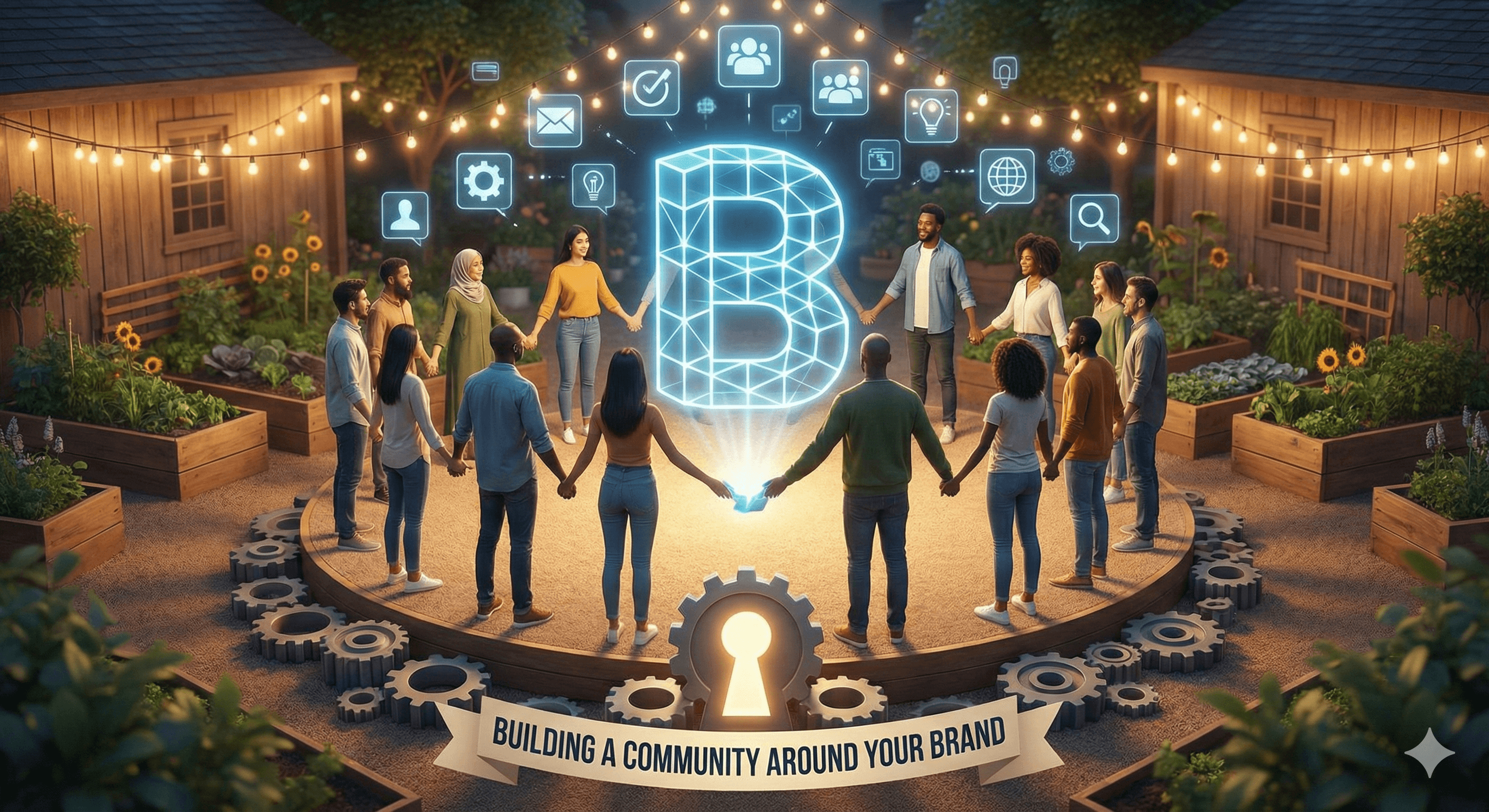
When it comes to business success, building strong relationships with your customers goes far beyond the transaction. Brands that foster a sense of community create loyal customers who don’t just buy—they advocate, engage, and grow alongside the brand. But for many entrepreneurs, creating and sustaining a vibrant brand community can feel daunting. How do you turn one-time buyers into lifetime supporters?
Here’s how brands are building meaningful communities, the strategies that work, and how tools like CRM platforms, including Saphyte, can help you foster stronger customer connections.
Why Community Is Essential for Brand Loyalty
A strong brand community creates emotional connections that are hard to replicate. It transforms customers into advocates, making them feel like part of something bigger than a single product or service. Community is what keeps your customers coming back even when there are cheaper or more convenient options.
Take LEGO Ideas, for example. LEGO has turned its customer base into collaborators by inviting them to submit and vote on new product ideas. Fans feel valued, involved, and recognized—a perfect recipe for loyalty. By fostering this connection, LEGO doesn’t just sell toys; it creates an experience and a culture, something competitors can’t easily replicate.
The science backs this up. Studies show that 64% of consumers who feel a deep emotional connection to a brand are more likely to recommend it to others. Emotional loyalty goes beyond rational loyalty (like pricing or convenience). It's about creating shared values, goals, and experiences that resonate deeply with your audience.
Strategies for Fostering a Sense of Belonging Among Customers
To create a thriving brand community, focus on fostering belonging. People don’t just want to buy from you; they want to feel included, valued, and heard.
Start by creating exclusive opportunities for your customers to engage. For instance, Patagonia has built a robust community by hosting events like environmental cleanups and workshops for outdoor enthusiasts. By aligning the brand’s mission with its audience’s values, Patagonia deepens connections with its customers while reinforcing its brand purpose.
Another powerful strategy is storytelling. Share real stories about your customers, team, or impact. Highlighting customer success stories, for example, not only showcases your product but also makes other customers feel part of the larger narrative. Your CRM system, such as Saphyte, can help identify the best stories by tracking customer feedback and engagement, ensuring your content feels authentic and relatable.
Leveraging Social Platforms to Grow Your Brand Community
Social media platforms are the modern campfires where communities gather. Brands that use these spaces strategically can cultivate robust communities that extend far beyond a single transaction. The key lies in fostering interaction, not just broadcasting.
Peloton excels at this by creating a digital ecosystem where users connect over shared fitness goals. Through hashtags, leaderboards, and community groups on platforms like Facebook, Peloton transforms its customers into motivators for each other. This sense of camaraderie and shared purpose keeps customers loyal and deeply engaged.
When leveraging social platforms, encourage two-way interaction. Saphyte’s CRM platform can be a powerful tool here, helping you track customer responses, identify trends, and engage your audience in meaningful ways. For instance, it can track customer preferences to tailor social media campaigns or set up automated responses to address common inquiries quickly and efficiently.
Examples of Successful Brand Communities That Drive Engagement
Some brands have mastered the art of community building. These examples show what’s possible when you prioritize connection over mere transactions.
Nike’s Running Clubs: Nike’s community strategy revolves around shared experiences. The brand organizes running events and challenges, fostering a global community of athletes. Nike also connects its members through the Nike Run Club app, which tracks performance and celebrates milestones, creating a sense of shared accomplishment.
Sephora’s Beauty Insider Community: Sephora turned makeup enthusiasts into a vibrant online community where users share tips, reviews, and tutorials. By giving customers a space to interact, Sephora fosters loyalty and amplifies its influence through peer recommendations.
Both examples highlight the importance of aligning community activities with customer interests. CRM systems like Saphyte can help identify these interests by analyzing purchase histories, engagement metrics, and customer feedback, making it easier to design programs that resonate with your audience.
Tips for Using CRM to Nurture Your Brand Community
Customer Relationship Management (CRM) systems are essential tools for building and sustaining brand communities. They help you understand, engage, and grow your audience through personalized outreach and data-driven insights.
Track Customer Preferences: CRMs collect and organize customer data, making it easy to tailor your outreach. For example, by tracking customer purchases or feedback, you can recommend products or events they’re likely to appreciate.
Personalize Communication: Personalization is key to making customers feel valued. CRM enables businesses to create personalized email campaigns, greeting customers by name and referencing their past interactions with your brand.
Gather and Act on Feedback: Communities thrive when members feel heard. Use your CRM to track feedback from surveys, social interactions, or customer service inquiries. This allows you to address concerns quickly and show customers that their input matters.
For instance, if you notice through Saphyte’s reporting tools that a segment of your customers is highly engaged with sustainable products, you can design campaigns, events, or content tailored to that interest, reinforcing their loyalty.
Building a thriving brand community doesn’t happen overnight, but the rewards are immense. By fostering belonging, leveraging social platforms, and using tools like CRMs to personalize and strengthen connections, you can transform your customers into loyal advocates who go beyond buying—they champion your brand.
When you prioritize community, your brand becomes more than a business. It becomes a shared experience, a trusted partner, and a meaningful part of your customers’ lives. Let the tools and strategies outlined here guide you in creating a community that drives loyalty, engagement, and sustainable growth.