
Feb 10, 2026
5
Minutes Read
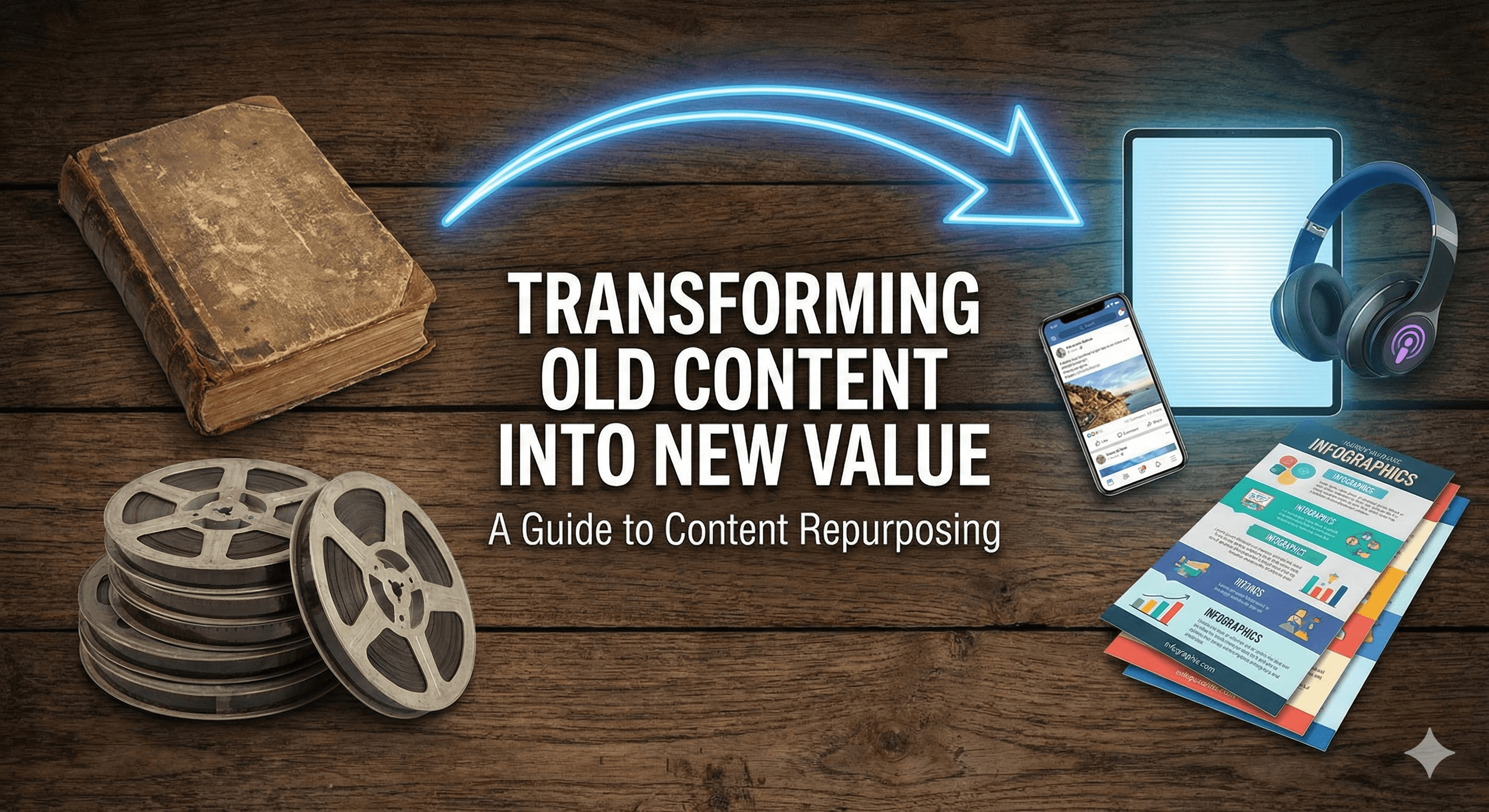
Producing fresh, high-quality content consistently is a challenge for many businesses. For entrepreneurs juggling tight budgets and limited resources, this task can feel overwhelming. But what if there was a way to keep your content pipeline flowing without the constant pressure of creating something new? Enter the art of content repurposing.
Content repurposing allows you to take existing materials and transform them into fresh, impactful formats. Not only does this save time and resources, but it also maximizes the value of your work by reaching audiences across multiple channels. Whether it’s turning a webinar into a blog post or slicing a whitepaper into social media snippets, repurposing makes your content work harder for your brand.
The Benefits of Repurposing Existing Content
Repurposing content offers several advantages that can elevate your marketing strategy. First, it allows you to extend the lifespan of your best-performing content. Instead of letting a great piece of content fade into obscurity, you can reimagine it into new formats to keep it relevant and engaging. For example, a blog post on “Email Marketing Strategies” can be updated annually and converted into an infographic, a video tutorial, or even a podcast episode. This approach keeps your content fresh and accessible across various platforms.
Second, repurposing content helps you reach new audiences. People consume content differently—some prefer watching videos, while others enjoy reading blog posts or scrolling through social media carousels. By offering the same information in multiple formats, you can connect with a broader audience. HubSpot is a great example of this approach. By transforming their in-depth guides into bite-sized Instagram graphics and YouTube videos, they not only save resources but also expand their reach effectively.
Types of Content That Can Be Transformed Into New Formats
Not all content needs to be created from scratch. Many materials can easily be converted into new, engaging formats:
Long-Form Blogs to Visual or Audio Content:
Break down detailed blog posts into Instagram carousels, email newsletters, or short videos. A well-researched article can even serve as the script for a podcast episode or a webinar.Videos to Text-Based Materials:
Transcribe video tutorials to create text-based guides or turn them into eBooks by enhancing them with visuals and additional details.Conference Sessions or Presentations:
TED Talks excel at this by repurposing their conference sessions into YouTube videos, blog summaries, and podcast episodes. This strategy ensures their impactful messages reach diverse audiences on various platforms.
With the right strategy, even a single piece of content can evolve into multiple formats, each offering a unique appeal.
Strategies for Identifying High-Performing Content to Repurpose
To effectively repurpose content, start by identifying the pieces that are worth a second life. Here’s how:
Use Analytics Tools to Pinpoint Top Performers:
High-performing content—those with strong engagement, traffic, or shares—should be prioritized for repurposing. CRMs like Saphyte make this process seamless by tracking key metrics and highlighting your most impactful materials.Analyze Audience Behavior:
Buffer, for example, identified their blog post on “The Ideal Length of Social Media Posts” as a standout performer. They repurposed it into a series of infographics and a podcast episode, both of which attracted substantial engagement. This demonstrates how data-driven insights can guide effective repurposing.Consider Seasonal or Evergreen Relevance:
Some content pieces naturally lend themselves to repurposing because they remain relevant year-round or during specific seasons. For instance, a blog on “Holiday Marketing Strategies” can be updated annually with fresh examples and distributed as an email series or social media campaign.
By focusing on high-impact content, businesses can ensure their repurposed efforts yield maximum results.
Examples of Successful Content Repurposing by Brands
Several brands have set benchmarks in content repurposing:
Canva:
Canva transformed its design blog posts into engaging video tutorials for YouTube. This shift amplified their content’s reach and attracted a new audience segment interested in visual learning.Moz:
Moz’s Whiteboard Friday sessions, initially created as video tutorials, were repurposed into blog posts and LinkedIn articles. This approach helped Moz maintain audience engagement while saving resources on content creation.TED:
TED exemplifies multi-platform repurposing. Their conference sessions are turned into YouTube videos, podcast episodes, and blog summaries. By delivering the same impactful messages across formats, TED ensures their content remains relevant and accessible to diverse audiences.
These examples show that repurposing is not just efficient—it’s essential for maximizing ROI on content creation efforts.
Tips for Organizing and Tracking Repurposed Content Using CRM
Efficient content repurposing requires organization and tracking, and CRMs are invaluable for this task. Here’s how CRMs like Saphyte can help:
Centralize Content Performance Data:
Use your CRM to tag and track all forms of content—blogs, webinars, or social media campaigns. By analyzing engagement metrics, businesses can identify the most successful pieces and prioritize them for repurposing.Automate Distribution:
Saphyte’s automation tools can schedule repurposed content for distribution across channels, ensuring it reaches the right audience at the right time. For example, a SaaS company could use Saphyte to re-release an updated whitepaper as a webinar and a blog series, keeping their audience engaged without added manual effort.Track Content Lifecycle and Impact:
CRMs can also monitor how repurposed content performs over time. For instance, Saphyte allows businesses to generate reports on content engagement, helping marketers refine their strategies and focus on the formats that deliver the best results.
By leveraging CRMs to streamline content repurposing, businesses can maximize their reach and maintain consistent messaging across platforms.
Repurposing content is more than a time-saver—it’s a strategy to maximize your content’s potential while keeping your audience engaged. By identifying high-performing pieces, adapting them for new formats, and using CRMs to track and organize efforts, businesses can ensure their content continues to deliver value. With creativity and the right tools, content repurposing transforms your marketing into a more efficient and impactful process.