
Feb 6, 2026
5
Minutes Read
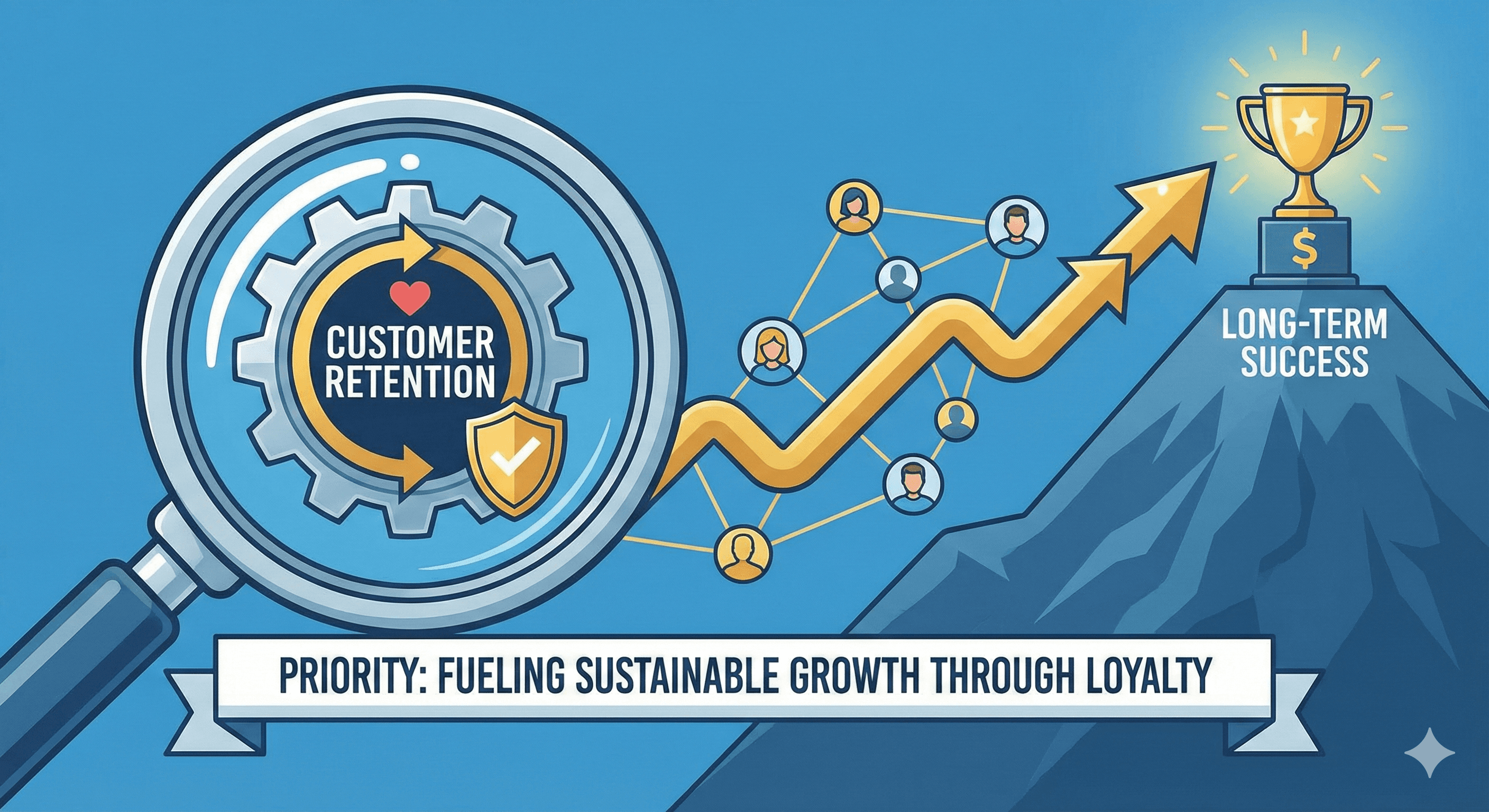
For many businesses, the focus is often on acquiring new customers. While customer acquisition is essential, it’s only one piece of the puzzle. The real secret to sustainable growth lies in customer retention. Keeping your customers coming back not only stabilizes your revenue but also strengthens your brand reputation in a competitive marketplace.
But here’s the problem: businesses often lose sight of retention, leading to high churn rates and a lack of long-term loyalty. This is a costly mistake. Studies show that acquiring a new customer is five times more expensive than retaining an existing one. Yet, retention isn’t just about saving money—it’s about building meaningful, lasting relationships with your customers.
Why Customer Retention is More Important Than Ever
In today’s hyper-competitive environment, customer expectations are higher than ever. Customers now demand personalized experiences, quick responses, and consistent engagement. When these needs aren’t met, they’ll quickly move to a competitor. This makes retention more critical than ever before.
Take the example of Starbucks. The company leverages a robust customer loyalty program to encourage repeat business. Their app not only tracks purchases but also provides personalized offers based on customer preferences. As a result, Starbucks retains millions of customers globally, demonstrating the power of prioritizing loyalty.
Additionally, retained customers tend to spend more over time. A Bain & Company study revealed that a 5% increase in customer retention can lead to a 25% to 95% boost in profits, depending on the industry. This is because loyal customers are more likely to trust your brand, try new products, and refer others, fueling sustainable growth.
Key Strategies to Reduce Churn
Reducing churn starts with understanding why customers leave. Often, it’s due to unmet expectations, poor communication, or lack of engagement. Addressing these issues proactively can make a big difference.
Here are some effective strategies:
Use Automated Follow-Ups:
Re-engage customers by showing them they are valued. For instance, Amazon sends automated reminders for abandoned carts and follow-ups after purchases, making customers feel attended to and appreciated.Offer Long-Term Incentives:
Build loyalty through rewards. Sephora’s Beauty Insider program provides exclusive deals, free products, and early access to sales. These perks not only encourage repeat purchases but also make customers feel special and reduce their likelihood of switching to competitors.Communicate Consistently:
Regular, meaningful communication builds stronger relationships. Share updates, tips, or even simple thank-you notes to maintain an active connection with your customers.
By implementing these strategies, businesses can proactively address customer concerns, demonstrate value, and foster loyalty.
How Improving Customer Service Leads to Loyalty
Customer service is the backbone of customer retention. When customers feel heard and supported, they’re more likely to stay loyal. On the flip side, poor customer service can drive even the most loyal customers away.
Take Zappos, for instance. The company empowers its customer service representatives to resolve issues without strict scripts or time limits. This flexibility enables representatives to focus on customer satisfaction, creating an emotional connection that fosters long-term loyalty.
Customer service should also be proactive. CRMs like Saphyte allow businesses to anticipate customer needs by providing a 360-degree view of customer data. For example, if a customer has previously raised a concern, a CRM can prompt the support team to follow up, ensuring the issue is resolved fully. This proactive approach builds trust and significantly reduces churn.
CRM and Customer Retention
CRMs are essential tools for improving customer retention. By centralizing customer data, CRMs allow businesses to track interactions, monitor preferences, and deliver personalized experiences.
Here’s how CRMs can transform retention efforts:
Automate Follow-Ups and Reminders:
Tools like Saphyte send automated alerts for expiring memberships or periods of inactivity. This ensures businesses can re-engage at-risk customers before they churn.Integrate Loyalty Programs:
CRMs seamlessly link loyalty programs with customer accounts, making it easier to reward repeat business. For instance, businesses can use Saphyte to track reward points and notify customers when they’re eligible for exclusive perks.Leverage Predictive Analytics:
By analyzing customer behavior, CRMs can identify patterns and predict which customers are likely to churn. Businesses can then implement targeted campaigns to address these risks.
The scalability of CRM solutions ensures that businesses of all sizes can benefit. Whether you’re a startup or an established enterprise, CRMs like Saphyte offer the tools needed to build meaningful, long-term relationships with customers.
Retention isn’t just about keeping customers—it’s about delighting them, fostering loyalty, and building lasting relationships. By using innovative strategies, prioritizing customer service, and leveraging CRM tools, businesses can create a loyal customer base that fuels sustainable growth.