Jan 22, 2026
4
Minutes Read
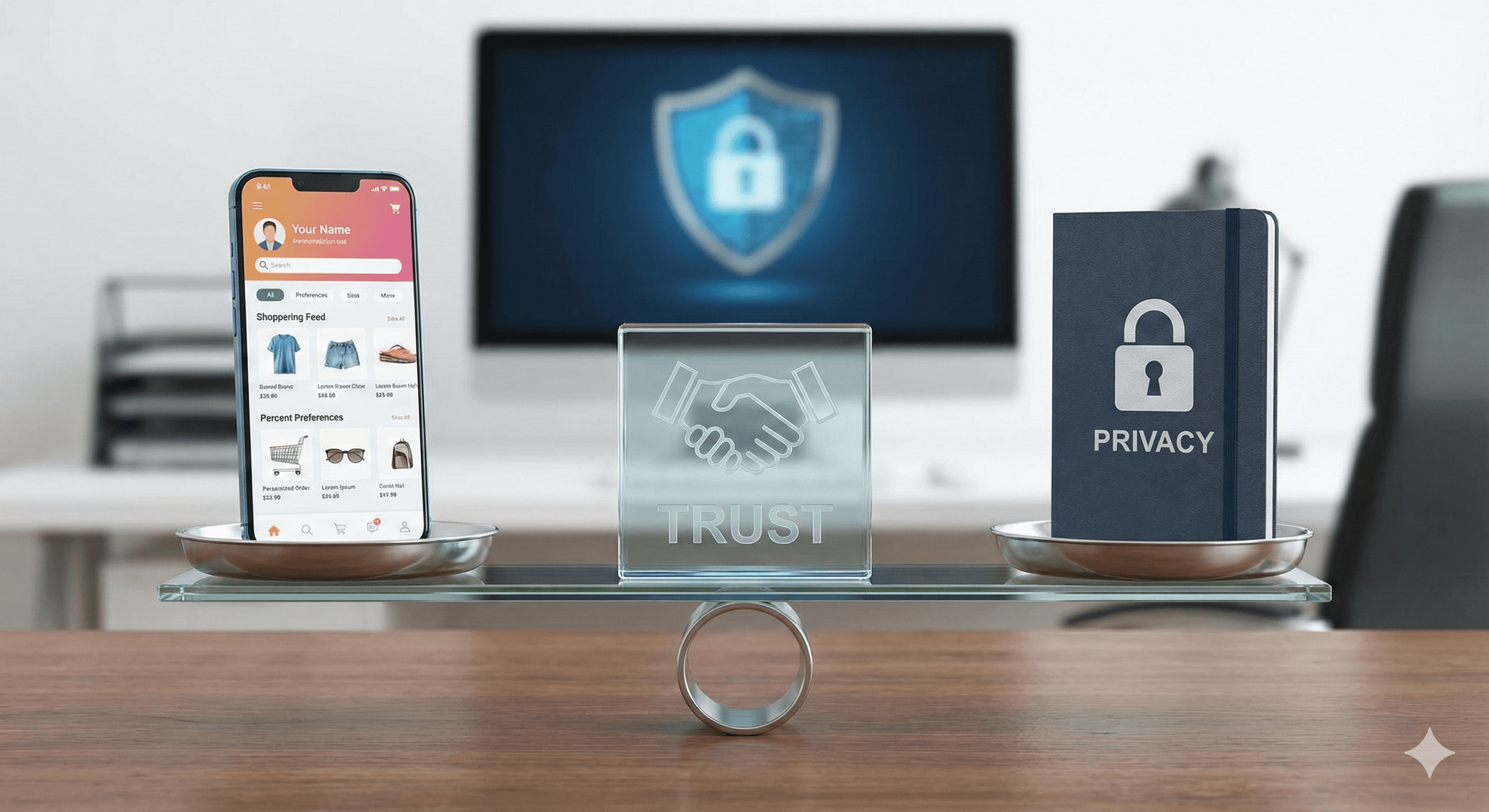
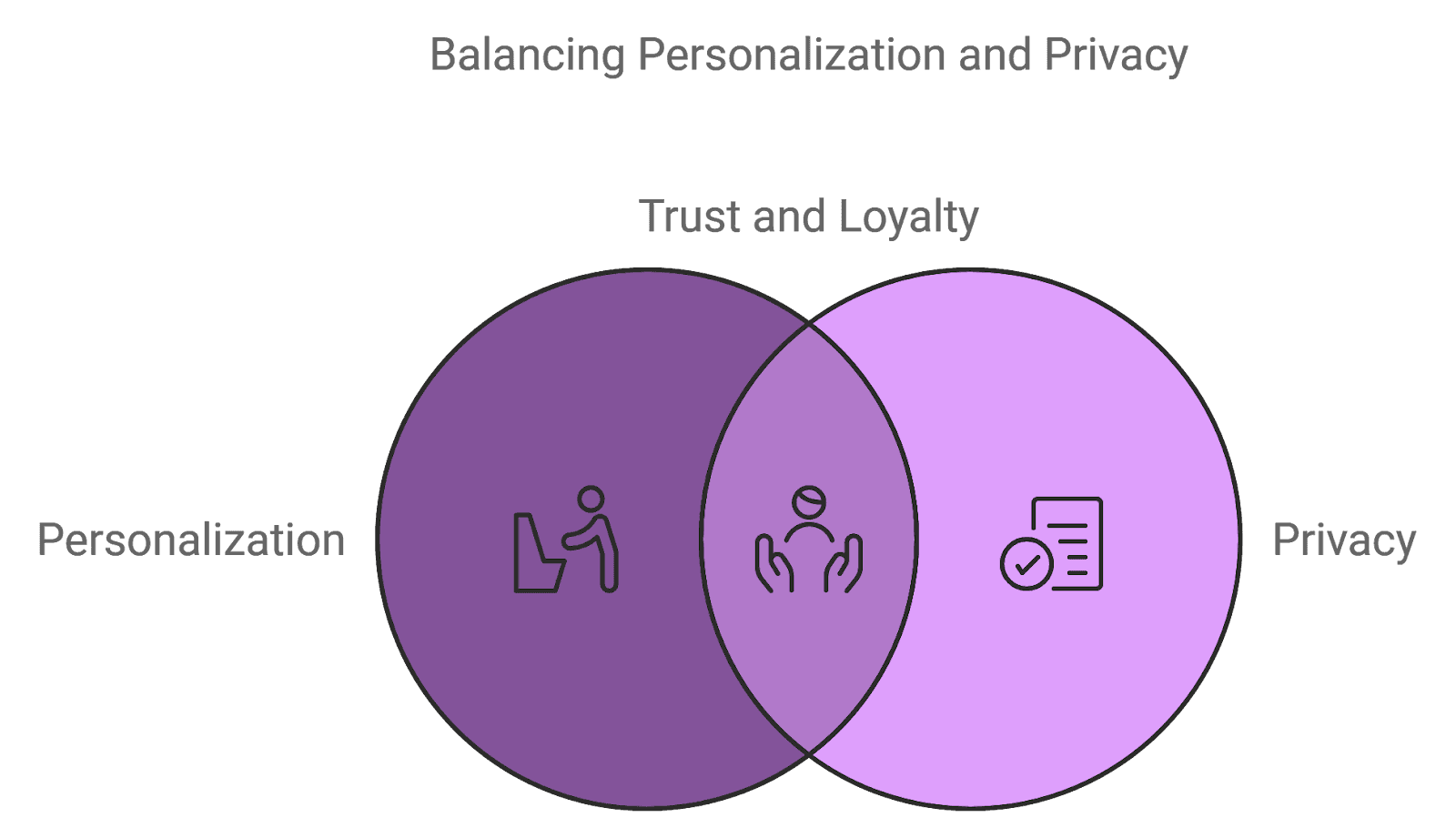
Building meaningful relationships with customers requires a delicate balance between personalization and privacy. Customers expect tailored experiences but are also increasingly concerned about how their personal data is used. For businesses, navigating this challenge is critical to building trust and fostering long-term loyalty. Many entrepreneurs face the question: How can we personalize customer interactions without compromising their privacy?
This article explores how businesses can provide personalized experiences while respecting customer privacy, leveraging the right strategies and tools to find the perfect balance.
Importance of Personalization in Modern Customer Relationships
Personalization has become a cornerstone of modern customer relationships. Today’s consumers are bombarded with marketing messages, making it crucial for businesses to cut through the noise by delivering relevant, tailored experiences. Customers feel valued and understood when companies personalize their interactions—whether through personalized recommendations, targeted promotions, or customized communication. This sense of recognition can increase engagement, foster loyalty, and drive conversions.
A study by Accenture found that 91% of consumers are more likely to shop with brands that provide relevant offers and recommendations. This highlights the importance of personalized marketing in creating meaningful connections with customers. However, the challenge lies in finding the right level of personalization without overstepping privacy boundaries. Businesses that get it right are rewarded with increased trust, loyalty, and repeat business.
Growing Concern Over Data Privacy
While personalization is highly valued, data privacy concerns are rising. In an age where data breaches and misuse of personal information are frequently reported, customers are more aware of how their data is collected and used. Privacy concerns have led to stricter regulations like the General Data Protection Regulation (GDPR) in Europe and the California Consumer Privacy Act (CCPA) in the United States, which require businesses to handle customer data responsibly and transparently.
For entrepreneurs, these regulations mean that data collection must be transparent, secure, and respectful of customer consent. Businesses that fail to comply with privacy laws risk fines and damage to their reputation. Customers expect companies to respect their privacy while delivering personalized experiences, so the key is finding a balance between leveraging and protecting data.
How to Offer Personalized Experiences Without Overstepping Boundaries
Businesses must offer personalized experiences without invading customer privacy. This starts with gaining clear consent from customers and being transparent about how their data will be used. Transparency builds trust, as customers are more likely to share their information if they understand why it’s being collected and how it will enhance their experience.
One way to maintain this balance is by using customer data responsibly. Instead of collecting every piece of information, focus on gathering only the data required to create meaningful experiences. For example, businesses can ask customers for their preferences and use that information to tailor offers and communications rather than tracking all their online behavior. Additionally, providing customers with control over their data—allowing them to update preferences or opt out of certain communications—helps build trust.
How CRM Balances Personalization and Privacy
Customer Relationship Management (CRM) systems play a crucial role in balancing personalization with privacy. A CRM securely stores and manages customer data, ensuring businesses can provide tailored experiences while adhering to data privacy regulations. CRM systems allow businesses to personalize interactions based on customer preferences, purchase history, and engagement data, all while maintaining strict data security protocols.
For example, CRMs like Saphyte offer features that help businesses comply with GDPR and other privacy laws by ensuring that data is collected, stored, and used transparently and securely. These systems allow businesses to segment their audiences and deliver targeted messaging without overstepping privacy boundaries. By using CRM tools to automate and personalize customer communication, businesses can focus on delivering value while ensuring that their data practices are ethical and compliant.
Moreover, CRM systems allow businesses to track and manage customer consent, ensuring that personalized experiences are based on customer-approved data. This transparency helps businesses meet regulatory requirements and builds customer trust. With the right CRM, companies can strike the perfect balance between offering personalized service and protecting customer privacy, ultimately enhancing the overall customer experience.