
Jan 21, 2026
5
Minutes Read
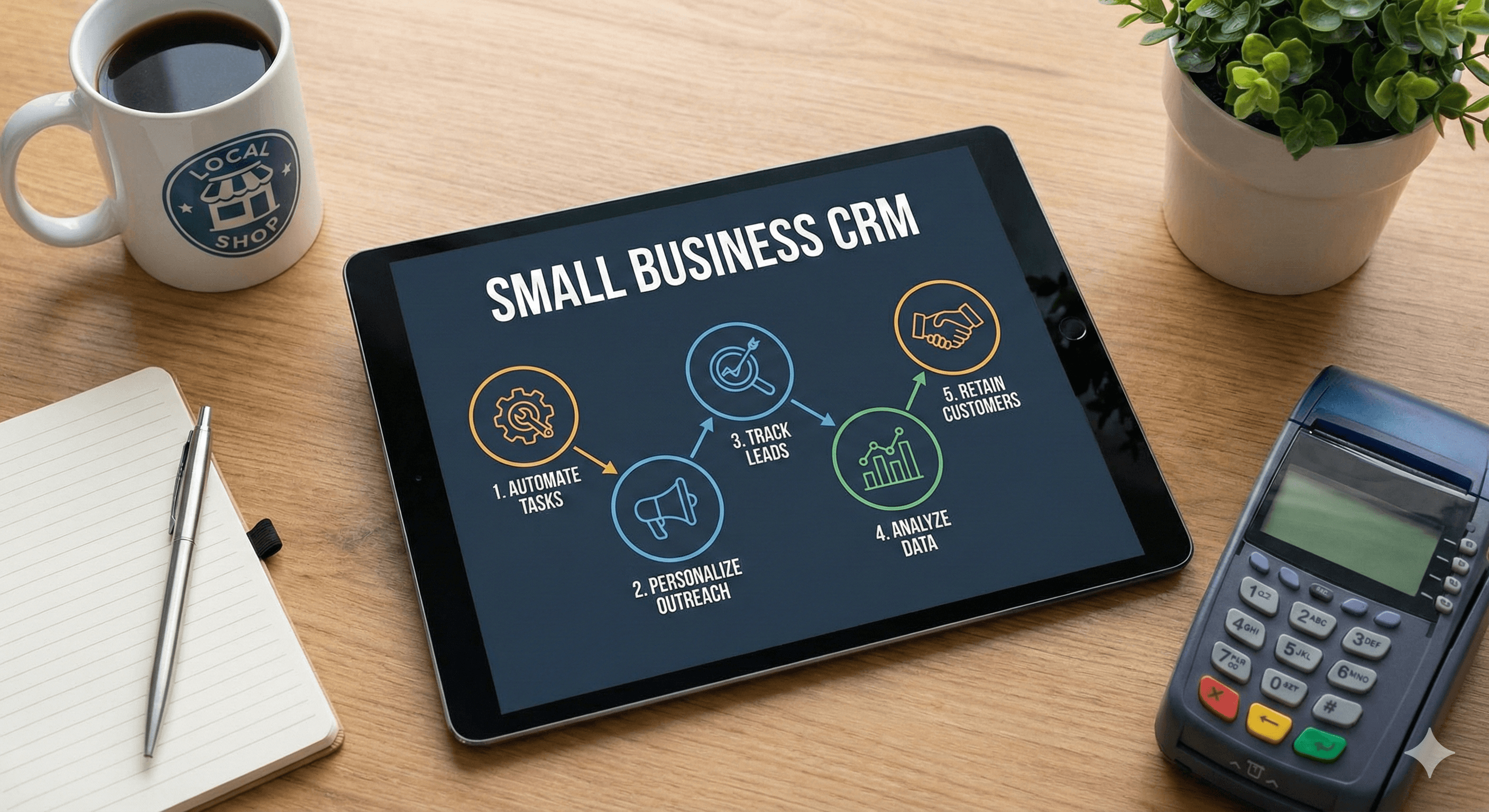
For many small business owners, investing in a Customer Relationship Management (CRM) system is essential for improving operations and fostering growth. CRMs are designed to streamline tasks, manage customer relationships, and enhance sales efforts. However, many small businesses struggle to maximize these powerful tools, often leading to missed opportunities and underwhelming ROI.
By focusing on essential CRM features, maximizing functionality on a budget, and ensuring team training, small businesses can leverage CRM to drive growth and efficiency. This article explores ways to help small businesses get the most from their CRM systems.
Key CRM Features Small Businesses Should Prioritize
When it comes to CRM systems, small businesses don’t always need every feature a CRM offers. Instead, prioritizing features that align with their business needs maximizes value. Here are the top CRM features small businesses should focus on:
Contact Management: A centralized database that stores all customer interactions, details, and preferences enables small businesses to stay organized and build stronger relationships. This feature allows quick access to vital customer information, helping teams personalize communication and followups more effectively.
Sales Pipeline Management: Sales pipeline management helps small businesses track leads through each stage of the sales process, ensuring that every opportunity is maximized. With a clear pipeline view, companies can better prioritize leads and close deals more efficiently.
Automation: Automation is a gamechanger for small businesses. Automating repetitive tasks like followups, email campaigns, and reminders saves time and reduces manual workload, allowing teams to focus on highvalue customer engagement and strategic initiatives.
How to Maximize CRM Functionality on a Budget
Budget constraints often prevent small businesses from fully implementing CRM solutions. However, there are ways to maximize CRM functionality without overspending.
Focus on Scalability: Many CRMs, like Saphyte, offer flexible pricing models tailored to small business needs. These models allow businesses to start with essential features and add more as they grow, ensuring they don’t overpay for features they don’t immediately need.
Prioritize HighImpact Features: Focus on features that directly impact the bottom line, such as lead management and automation tools. Automation reduces manual work, while lead management tools help identify the most promising prospects, ensuring the sales team’s time is well spent.
Leverage Free Trials and Basic Plans: Many CRMs offer free trials or basic plans, allowing businesses to test features before committing to a comprehensive package. This approach enables small businesses to explore different functionalities and invest in a plan that best fits their needs.
Tips for Training Teams to Use CRM Effectively
Even with the best CRM, success depends on how well the team uses it. For small businesses, where team members often juggle multiple roles, proper training is crucial.
Offer HandsOn Training: Begin with handson training and live demonstrations of essential CRM functions, such as contact management, lead tracking, and task automation. This approach helps employees understand how to integrate CRM into their daily tasks.
Designate a CRM Champion: Appoint someone on the team as a CRM champion who becomes the goto expert for questions or troubleshooting. Having an internal resource can increase comfort and competency within the team, boosting adoption and productivity.
Encourage Continuous Learning: CRM tools frequently add new features and capabilities, so ongoing learning is essential. Encourage your team to stay updated on new CRM functions to ensure the business consistently benefits from the latest advancements.
Strategies for Scaling CRM Use as the Business Grows
As small businesses grow, their CRM needs evolve. A good CRM system has the advantage of scaling alongside the business.
Evaluate CRM Usage Regularly: Regularly assess CRM use to determine if additional features are needed. For instance, a growing customer base might warrant advanced segmentation or reporting tools.
Customize to Fit Evolving Needs: Most CRMs allow businesses to tailor workflows, fields, and reporting structures to their needs. By customizing the CRM system to match evolving requirements, small businesses can ensure it remains valuable through various growth stages.
Expand Functionality with New Features: As the business scales, adding features like sales forecasting or custom dashboards becomes increasingly relevant. Expanding functionality ensures that the CRM continues to meet the business’s changing needs.
CRM for Automating Repetitive Tasks
A CRM system does more than store customer data—it can automate repetitive tasks that drain time and resources. Automating tasks like data entry, scheduling, and followups frees up time for teams to focus on strategic activities.
Set Up Automated Workflows: With CRMs like Saphyte, businesses can create workflows to automate email campaigns, track leads through the sales pipeline, and schedule followup reminders based on customer interactions. This reduces manual workload and ensures every lead or task is remembered.
Enable RealTime Data Tracking: CRMs provide realtime data tracking, helping managers make informed decisions and ensuring all tasks are on track. Real time tracking helps teams respond quickly to customer needs and market changes.
Focus on HighImpact Activities: By automating administrative tasks, businesses can free their teams to focus on higher value activities such as nurturing leads, improving customer experiences, and developing strategies for growth.
For small business owners, investing in a CRM system is a strategic move that can transform daily operations and promote long-term growth. By prioritizing core CRM features like contact management, automation, and sales pipeline tracking, small businesses can streamline workflows and strengthen customer relationships. Efficient use of CRM enables small teams to manage resources effectively, focusing on high-impact activities from nurturing leads to refining sales processes.
When small businesses make the most of their CRM—by selecting scalable features, providing effective training, and adapting the system as they grow—they position themselves for sustainable success in a competitive market. With the right approach, CRM tools like Saphyte can be invaluable, helping small businesses thrive by fostering customer engagement, enhancing productivity, and driving informed decisionmaking.