
Feb 20, 2026
5
Minutes Read
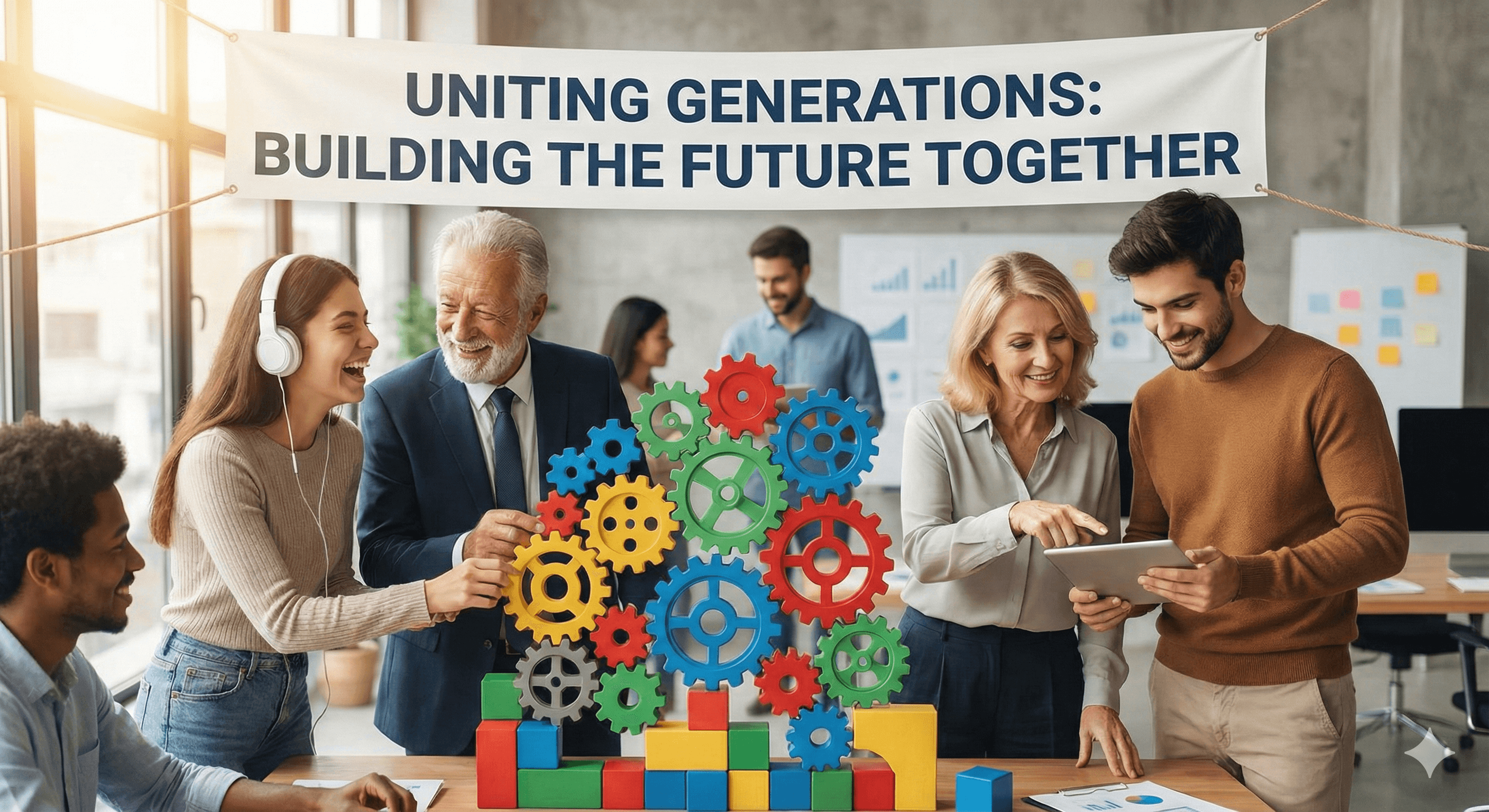
Managing a workforce that spans multiple generations is both an exciting opportunity and a unique challenge. From Baby Boomers to Generation Z, employees bring a rich array of skills, experiences, and work styles to the table. However, these differences can sometimes create misunderstandings or tension, especially when preferences and communication methods clash.
For entrepreneurs and team leaders, the key lies in finding common ground while celebrating what makes each generation unique. By fostering inclusivity, leveraging technology like CRMs for collaboration, and implementing thoughtful management strategies, businesses can build cohesive teams that thrive on diversity.
Understanding the Strengths and Challenges of a Multi-Generational Workforce
A multi-generational workforce combines the wisdom of experience with the energy of innovation. Baby Boomers often bring decades of institutional knowledge and a strong work ethic, while Millennials and Generation Z excel in digital literacy and adaptability. Gen X, often the bridge between these groups, contributes pragmatism and leadership skills. Together, these strengths can create a well-rounded team capable of tackling diverse challenges.
However, generational differences can also lead to friction. For instance, while Boomers might prefer face-to-face communication, younger employees often favor digital tools like Slack or email. Similarly, attitudes toward work-life balance can vary; Gen Z tends to prioritize flexibility, whereas older generations might value a more traditional 9-to-5 structure. Understanding these dynamics is crucial for addressing potential conflicts and creating a harmonious work environment.
Tips for Creating an Inclusive Work Environment That Values Diversity
Creating an inclusive workplace starts with recognizing and valuing the unique contributions of each generation. Leaders should encourage open dialogue, where employees feel comfortable sharing their perspectives. Regular team-building activities can help break down generational barriers and foster mutual respect.
Microsoft exemplifies this approach through its reverse mentoring program, where younger employees teach older colleagues about emerging technologies, and vice versa. This initiative not only bridges skill gaps but also builds trust between generations. It demonstrates how inclusivity can foster collaboration and innovation.
Flexibility is another cornerstone of inclusivity. Offering multiple communication channels, such as video calls for Boomers and instant messaging for younger employees, ensures that everyone can engage in a way that suits their preferences. Inclusive policies like these promote a sense of belonging, which is critical for team cohesion.
Strategies to Leverage the Unique Skills of Each Generation
Maximizing the potential of a multi-generational workforce means playing to each generation’s strengths. Assigning roles that align with individual expertise can boost productivity and morale. For example, Baby Boomers might excel in mentorship roles, while Gen Z can take charge of social media or digital transformation initiatives.
Cross-generational collaboration is another powerful strategy. A study by Deloitte found that teams with diverse age groups are more innovative and effective at problem-solving. By pairing employees from different generations on projects, businesses can combine fresh perspectives with seasoned judgment. A marketing agency in London successfully implemented this approach by creating multi-generational task forces to brainstorm campaigns, leading to a 20% increase in client satisfaction.
Examples of Businesses Successfully Managing Generational Diversity
IBM is a shining example of a company embracing generational diversity. The tech giant’s diversity initiatives include flexible work policies and employee resource groups that cater to various age demographics. By providing training programs tailored to different generations, IBM ensures that all employees can thrive in a collaborative environment. This approach has strengthened its reputation as an inclusive employer.
Another success story comes from Nestlé, which launched an intergenerational mentoring program to foster knowledge exchange between younger and older employees. By encouraging open communication and mutual learning, Nestlé has improved team cohesion and employee satisfaction. These examples show that thoughtful management practices can turn generational diversity into a competitive advantage.
How CRMs Foster Collaboration in Diverse Teams
CRMs are invaluable for managing diverse teams, offering centralized platforms for communication and project management. These tools ensure that employees across generations can stay aligned on tasks and deadlines, regardless of their preferred work style.
For example, Saphyte’s CRM allows teams to assign tasks, track progress, and share updates in real time. A multinational company using Saphyte successfully streamlined its internal communication by creating shared dashboards that catered to both tech-savvy Gen Z employees and Boomers accustomed to structured reporting. This transparency eliminated miscommunication and ensured that everyone was on the same page.
CRMs also provide insights into team performance, helping leaders identify areas for improvement. By analyzing collaboration patterns, managers can tailor their approach to meet the needs of different generations. For instance, automated reminders and personalized updates can keep projects moving smoothly without overwhelming employees with excessive communication.
Managing a multi-generational workforce requires empathy, flexibility, and the right tools. By embracing diversity, fostering inclusivity, and leveraging solutions like CRMs, businesses can turn generational differences into strengths. When teams unite across generations, the result is a dynamic, innovative workplace that benefits everyone.