
Feb 12, 2026
5
Minutes Read
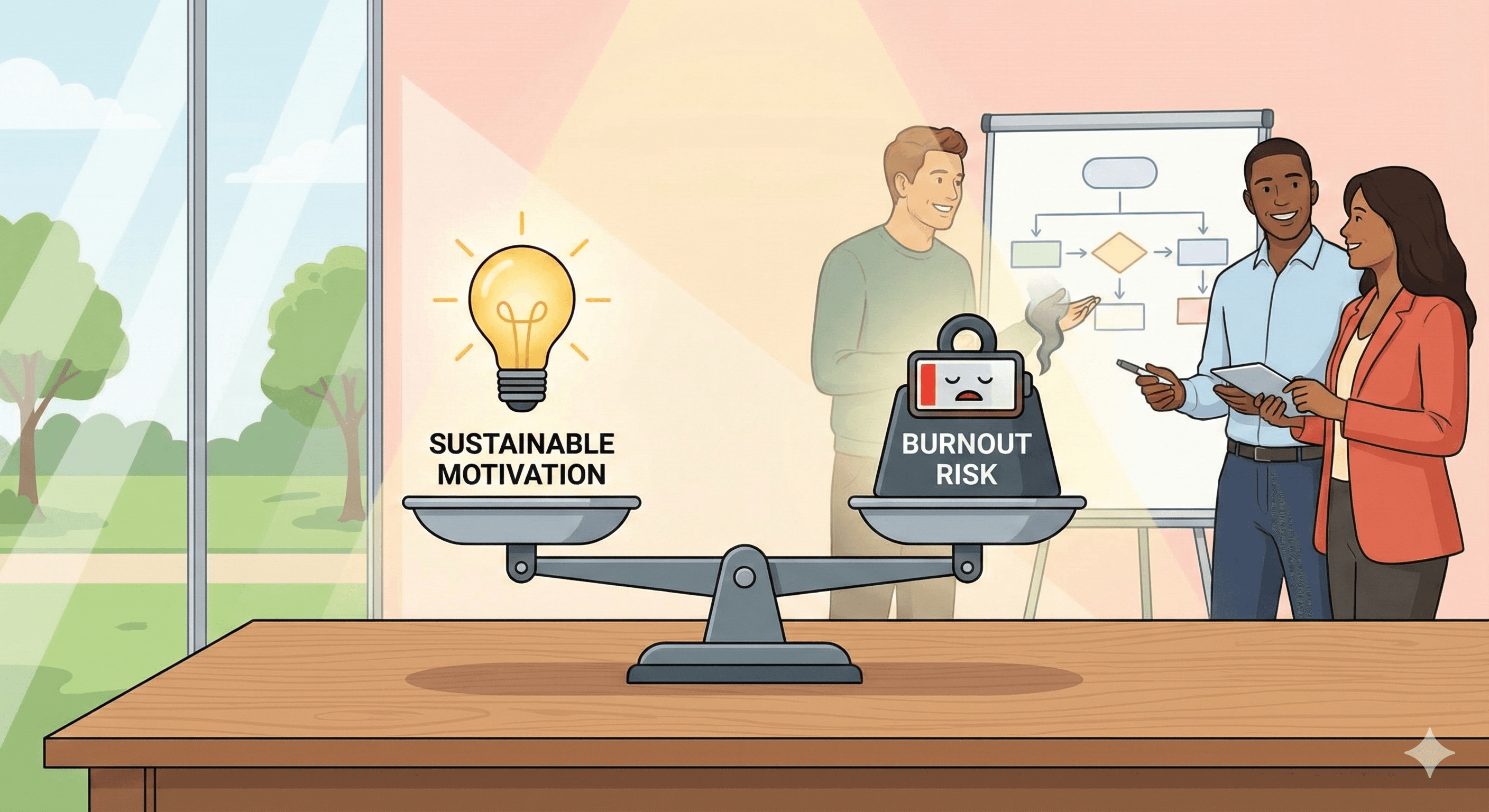
In fast-paced work environments, the push for high performance often comes at a cost: burnout. Team members start strong, but over time, relentless workloads and constant pressure can lead to exhaustion, decreased productivity, and even employee turnover. For entrepreneurs managing high-performing teams, balancing productivity with well-being is no easy task.
The solution lies in creating an environment where teams feel supported, workloads are manageable, and communication is clear. With the right strategies and tools, like CRMs to streamline task allocation, managers can keep their teams motivated and productive without risking burnout.
Recognizing Early Signs of Burnout in Teams
Burnout doesn’t happen overnight; it builds gradually. Knowing how to spot the early signs can make all the difference in addressing it before it escalates. Key indicators include noticeable drops in productivity, frequent mistakes, and disengagement from work. Team members may start showing signs of emotional exhaustion or even withdrawing from collaborative efforts.
Consider the case of Shopify, a company known for its fast-paced culture. Shopify recognized early signs of burnout when employees began taking more sick days and engagement scores dropped in internal surveys. This prompted them to take immediate action, introducing flexible work hours and wellness programs to address stress. Their proactive approach shows the value of identifying warning signs early.
Regular check-ins and team meetings are crucial in uncovering these signs. Managers should foster a culture where employees feel safe discussing their workload and challenges. Open communication builds trust, making it easier to intervene when team members feel overwhelmed.
Strategies for Creating a Supportive Work Environment
A supportive work environment is the foundation of preventing burnout. This starts with cultivating psychological safety, where employees feel valued and comfortable sharing their ideas and concerns without fear of judgment. A Gallup study found that teams with high psychological safety are 12% more productive and significantly less prone to burnout.
An excellent example is Microsoft. Under CEO Satya Nadella’s leadership, the company transformed its culture to prioritize empathy and inclusivity. Initiatives like “Employee Listening Systems” ensure that feedback is continuously gathered and acted upon, fostering a supportive environment that helps employees feel heard.
Another strategy involves celebrating wins, no matter how small. Recognition boosts morale and reinforces positive behaviors. Simple gestures, like acknowledging hard work during team meetings, can have a significant impact on team motivation and well-being.
Tips for Managing Workloads to Reduce Stress
Effective workload management is critical in reducing stress and preventing burnout. This starts with prioritization—ensuring that the most important tasks are completed first while deferring or delegating less critical work. Managers should also avoid assigning excessive tasks to high performers, which can lead to uneven workloads and resentment among team members.
A great example is Trello, a project management software company. Trello uses its own tools to visualize and allocate tasks among employees. Managers can see who’s overloaded and reassign tasks as needed. This transparency ensures that workloads are balanced, preventing unnecessary stress on individuals.
Additionally, encouraging regular breaks and promoting work-life balance can reduce burnout risk. Companies like Basecamp advocate for strict boundaries between work and personal time. Their “work smarter, not harder” philosophy includes banning after-hours emails and setting clear expectations about workload limits, ensuring employees can recharge fully.
Examples of Companies Successfully Mitigating Burnout
Many companies have implemented successful strategies to mitigate burnout. For example, Buffer introduced a four-day workweek experiment to tackle employee exhaustion. The reduced hours allowed teams to focus on their most critical tasks while leaving ample time for rest and personal growth. Their internal surveys revealed higher productivity and a more engaged workforce.
Similarly, Google has long championed initiatives to reduce burnout, such as its “20% time” policy, allowing employees to dedicate one-fifth of their workweek to personal projects. This autonomy not only boosts creativity but also provides employees with a sense of control over their workload—an essential factor in combating burnout.
These examples highlight the importance of innovative thinking and a willingness to adapt traditional work practices to prioritize employee well-being.
How CRMs Assist in Workload Management and Communication
CRMs are invaluable tools in preventing burnout by ensuring clear communication and efficient workload distribution. Platforms like Saphyte enable managers to allocate tasks transparently, monitor progress, and identify bottlenecks. For example, managers can use Saphyte’s task management feature to track which employees are handling the most responsibilities and adjust workloads accordingly.
Saphyte also streamlines communication by centralizing updates and project details in one place. A tech startup in the UAE used Saphyte to manage its rapidly growing team, ensuring everyone stayed aligned on tasks without overwhelming individuals. By automating reminders and updates, the CRM reduced the need for constant check-ins, allowing team members to focus on their work without interruptions.
These features not only improve team efficiency but also create a sense of order and clarity, helping to prevent the chaos that often leads to burnout.
Preventing burnout requires a proactive approach that combines empathy, clear communication, and smart tools like CRMs. By recognizing the signs early, fostering a supportive culture, and managing workloads effectively, businesses can keep their teams motivated and resilient. With thoughtful strategies and the right systems in place, it’s possible to achieve high performance without sacrificing well-being.